
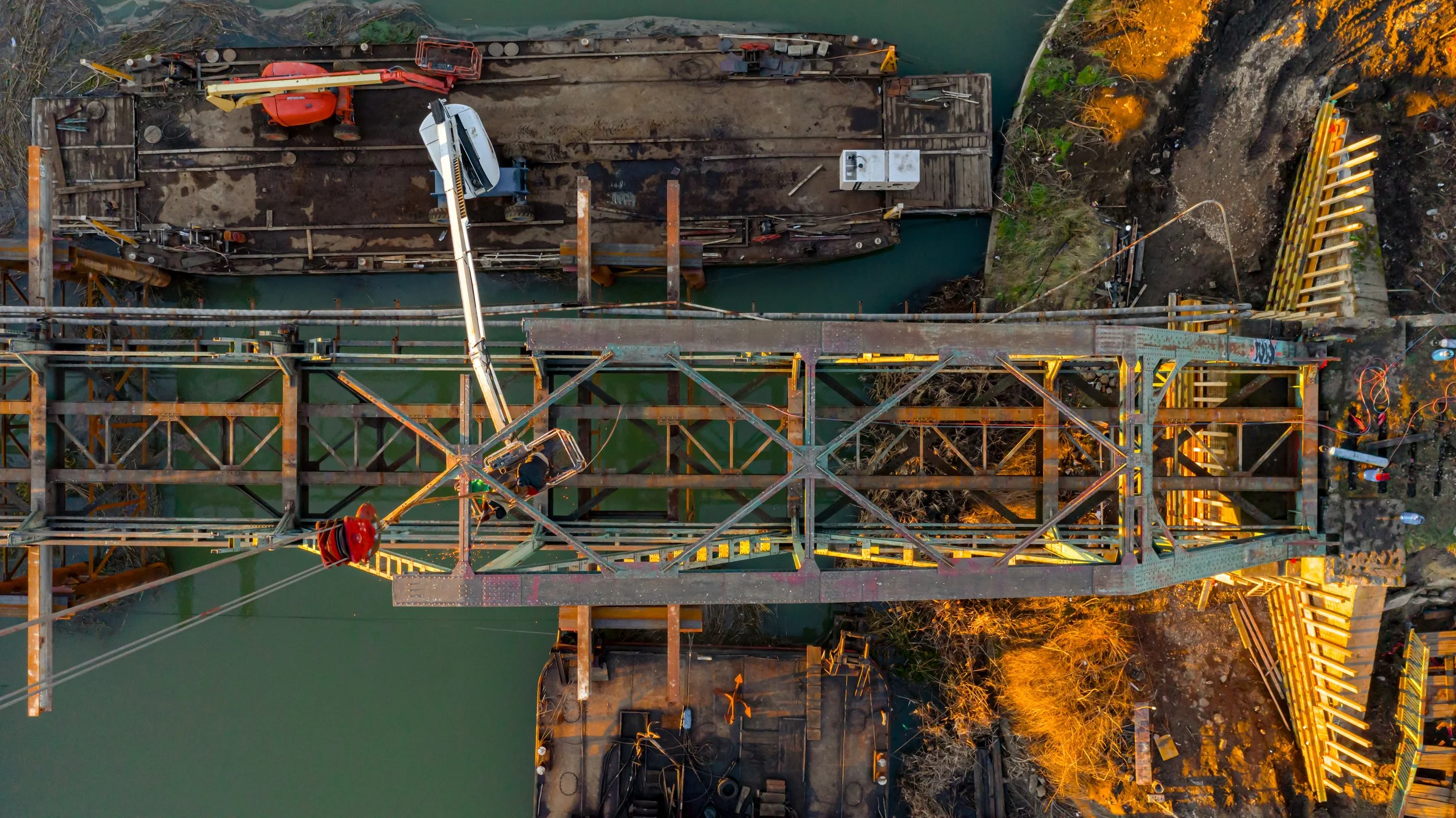
Decommissioning heavy steel infrastructure, taking down highway bridges, and scrapping large marine vessels depend on continuous, high-volume oxy-fuel cutting. When torch crews are slicing through multi-inch structural steel plate, gas supply reliability directly dictates daily tonnage output. A sudden drop in line pressure or an unexpected gas outage halts the cutting line, leaving torch operators idle and project schedules at risk.
For high-burn-rate job sites, relying on traditional high-pressure cylinder packs or tube trailers creates severe operational bottlenecks. Transitioning to mobile, portable cryogenic bulk storage delivers an uninterrupted supply of liquid oxygen (LOX), gasified on demand at stable pressure to keep heavy scrapping and demolition projects moving on schedule.
The Operational Limits of Packaged Gas in Oxy-Fuel Cutting
Heavy demolition sites are dynamic, fast-paced environments where gas demands spike during peak cutting shifts. Traditional packaged gas delivery models present several key challenges:
Frequent Cylinder Swaps and Downtime: Multi-torch cutting setups consume industrial oxygen at rates that rapidly exhaust six-pack manifolds and cylinder banks. Every swap forces operators to stop work, shut down torches, and clear the active cutting area.
Line Pressure Decay: As high-pressure cylinders deplete, delivery pressure drops. Inconsistent supply pressure leads to poor torch flame quality, slower cutting speeds, and incomplete burns through thick structural plate.
Material Handling and Safety Hazards: Moving heavy cylinder packs across uneven, debris-strewn demolition pads increases pinch-point injuries and rigging risks.
Fixed Infrastructure Constraints: Demolition sites evolve continuously as structures come down. Permanent bulk tanks require concrete foundations, electrical drops, and civil site work that are impractical and costly for short-term projects.
The Mobile Cryogenic Advantage
Cryogenic liquid oxygen provides an exceptionally high volume-to-space ratio: 1 gallon of liquid oxygen expands to approximately 115 cubic feet of gaseous oxygen at standard atmospheric conditions. Storing oxygen as a cryogenic liquid on site allows contractors to maintain massive reserve volumes within a compact trailer footprint.
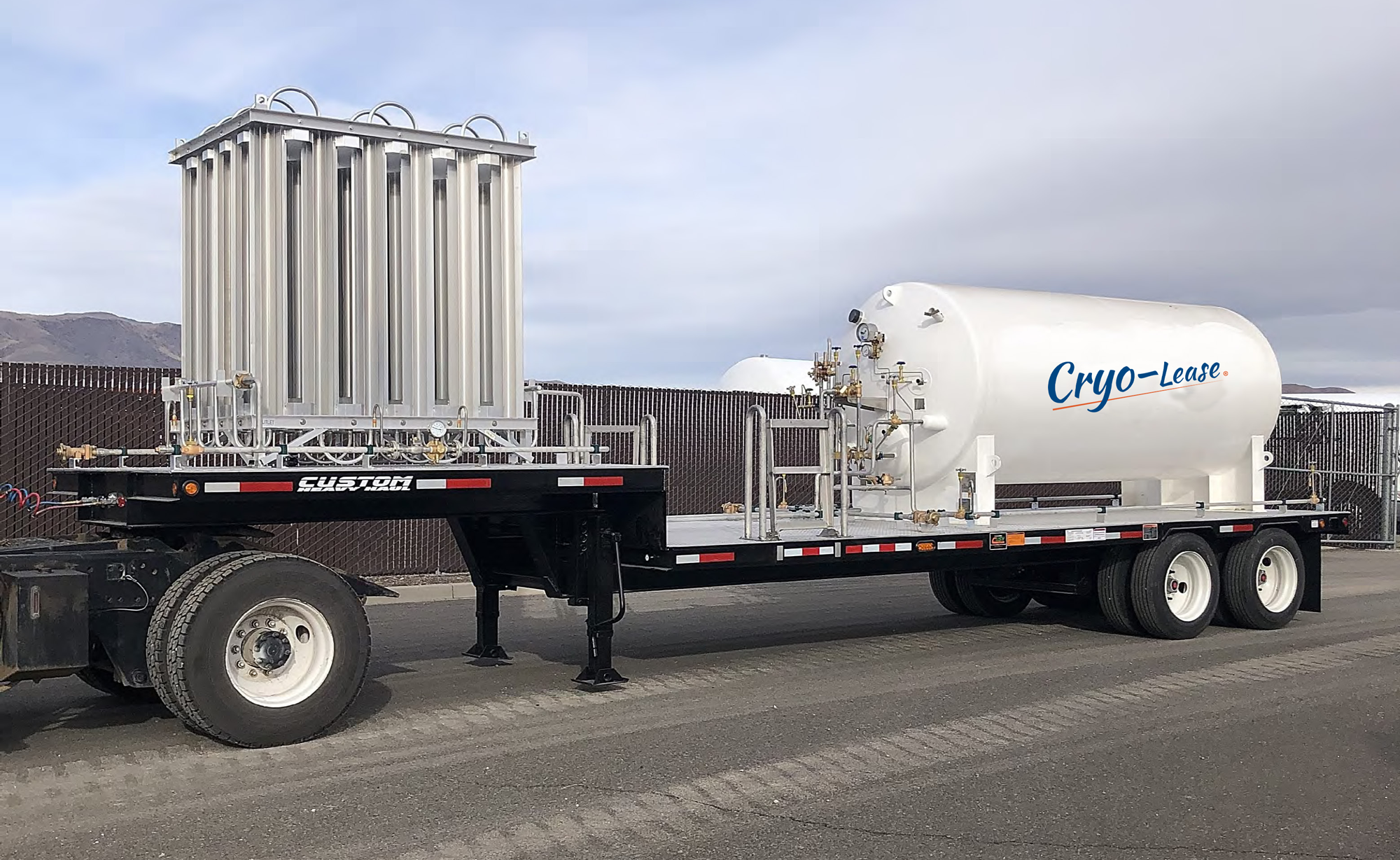
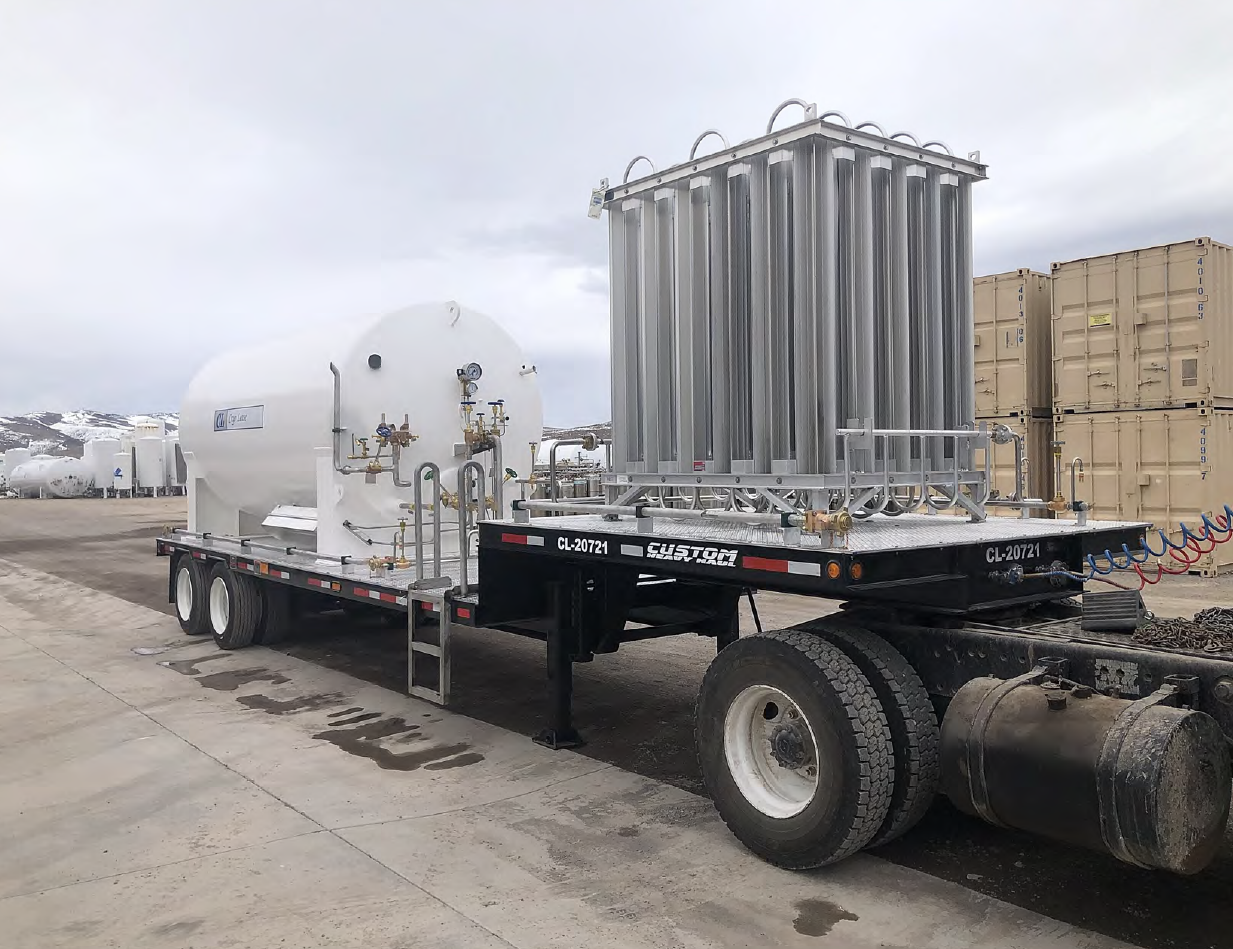
Equipped with high-efficiency pressure building coils and ambient vaporizers, portable cryogenic trailers automatically convert liquid oxygen to gas as torch manifolds demand it—maintaining steady, regulated delivery pressure up to the torch tip without mechanical compression.
Right-Sized Equipment Solutions: 1,500 vs. 3,000 Gallon Portables
Selecting the right mobile storage asset depends on daily burn rates, torch count, and available pad space.
1,500 Gallon Portable Trailer
Engineered for maximum maneuverability and constrained job sites, the 1,500-gallon portable trailer is built for medium-scale demolition, urban bridge teardowns, and site-restricted structural scrapping.
Compact Staging Footprint: Fits easily into tight staging corridors or urban job sites where space is at a premium.
Rapid Deployment: Arrives field-ready with minimal setup required before manifold lines can be connected.
Continuous Multi-Torch Flow:Sustains stable operating pressures across multiple simultaneous torch stations without pressure decay.
3,000 Gallon Portable Trailer
Built for heavy industrial decommissioning, large shipyard scrapping, and long-duration structural teardowns, the 3,000-gallon portable trailer delivers high volume to support heavy daily burn rates.
Extended On-Site Autonomy: Maximizes gas reserves to reduce refill delivery frequency, minimizing truck traffic on active job sites.
High-Flow Output Capability:Delivers elevated flow rates across large teams of manual torches and automated track cutters.
Rugged Infrastructure Design:Mounted on a heavy-duty transport frame built to withstand demanding off-road site conditions.
Strategic Advantages for Scrap and Demolition Contractors
Complete Job-Site Mobility: As scrap cutting progresses across a shipyard or along a corridor, portable trailers can be relocated closer to the active cutting zone, keeping distribution lines short and reducing pressure drop.
Zero Civil Preparation Required: Portable trailers eliminate the need for concrete pads, anchor bolts, or permanent piping. Units park, connect, and put to work immediately.
CapEx Avoidance: Leasing or renting portable storage assets aligns equipment expenses directly with project billing cycles, avoiding capital expenditure while securing lower gas costs per hundred cubic feet (SCF) compared to cylinders.
Improved Site Productivity: Eliminating manual cylinder handling reduces labor overhead and minimizes safety incidents, allowing crews to focus entirely on steel recovery and site clearance.
Mobile Bulk Oxygen for Heavy Demolition:
Eliminating the High-Pressure Cylinder Bottleneck
Optimize Your Demolition Gas Infrastructure
Maintaining continuous oxy-fuel cutting performance requires a reliable, scalable gas supply that matches the pace of heavy demolition. Portable 1,500 and 3,000-gallon cryogenic trailers provide the ideal balance of volume, mobility, and affordability to keep your torches burning and your project on schedule.

Ready to Eliminate Cylinder Bottlenecks on Your Cutting Site?
Don't let constant cylinder swaps and pressure drops slow down your scrap operations or delay project timelines. Contact our team today to learn how our 1,500 and 3,000-gallon portable oxygen trailers provide reliable, continuous bulk gasification directly on your pad—with zero civil preparation or capital overhead.